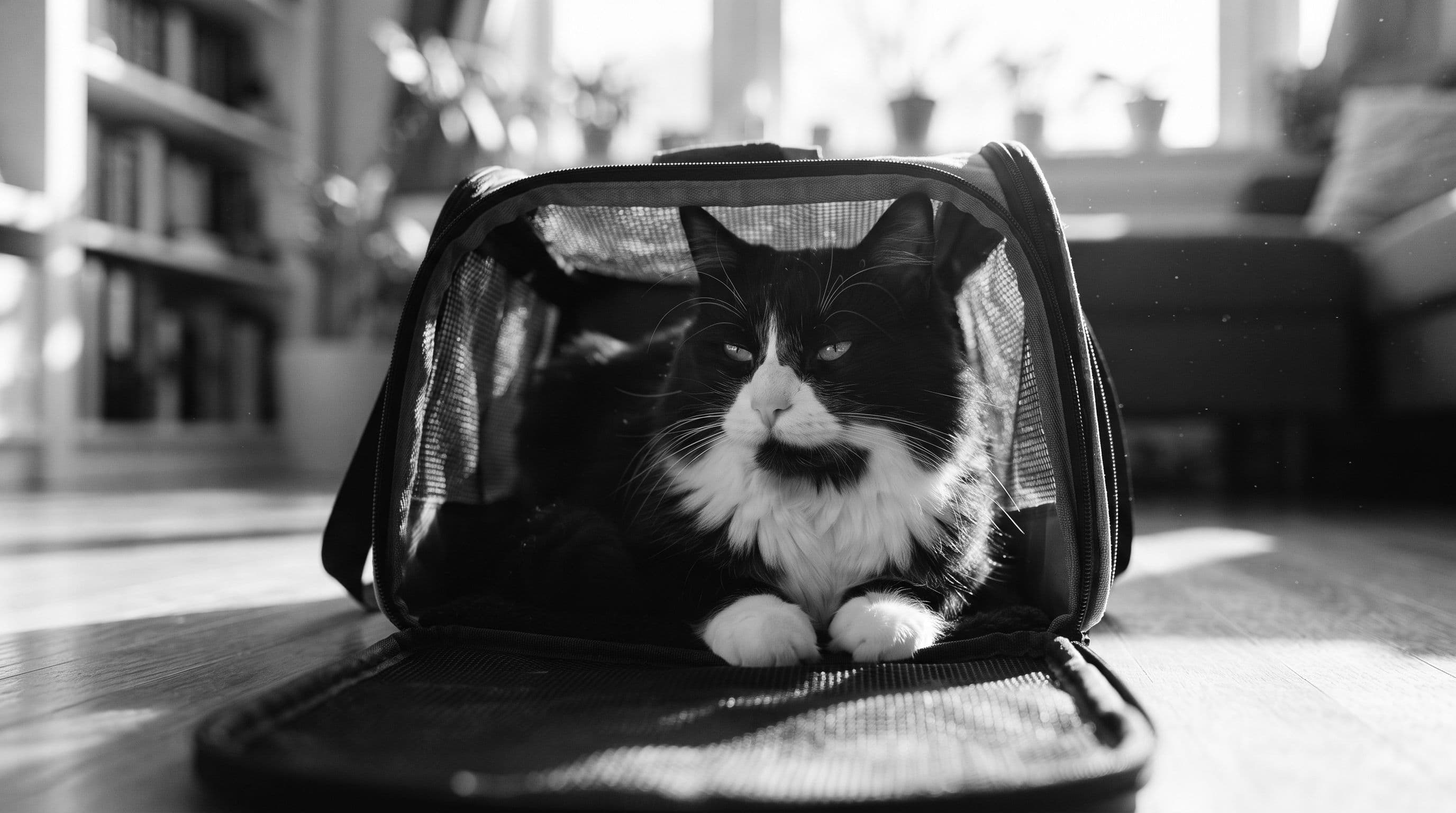
Vino knocked a glass of water off the bedside table before sunrise, landed on my chest with all 6 kg of himself, and began his single sustained protest meow because the bedroom door was closed. That was the morning of his last vet visit. I'd already learned, through several worse attempts, how to take a cat to the vet calmly: build a system, stick to it, and never hesitate. Here's what that system looks like in our house.
What You'll Need Before You Start
The equipment list is short, but every item earns its place.
A hard-sided carrier with a top-loading door. This matters. Trying to push Vino through a front-opening carrier is like trying to post a furious, drooling letter through a slot that's slightly too small. Top-loading means I can lower him in while he's still processing what's happening.
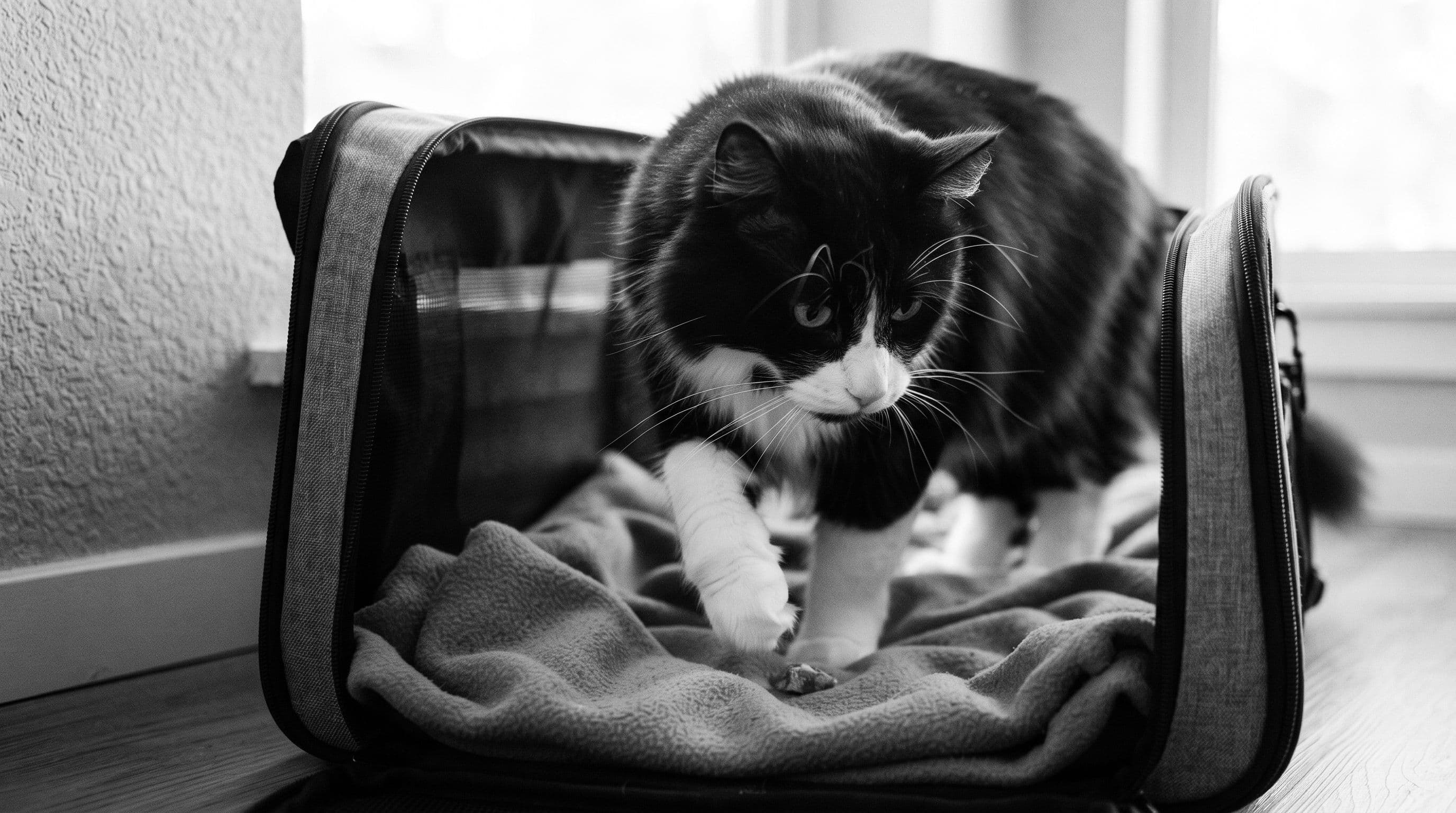
A medium-weight towel or fleece blanket that already smells like the house. I keep one draped over the arm of the couch for exactly this purpose; it picks up scent from Vino, Zola, my fiancée, and me over the course of a normal week.
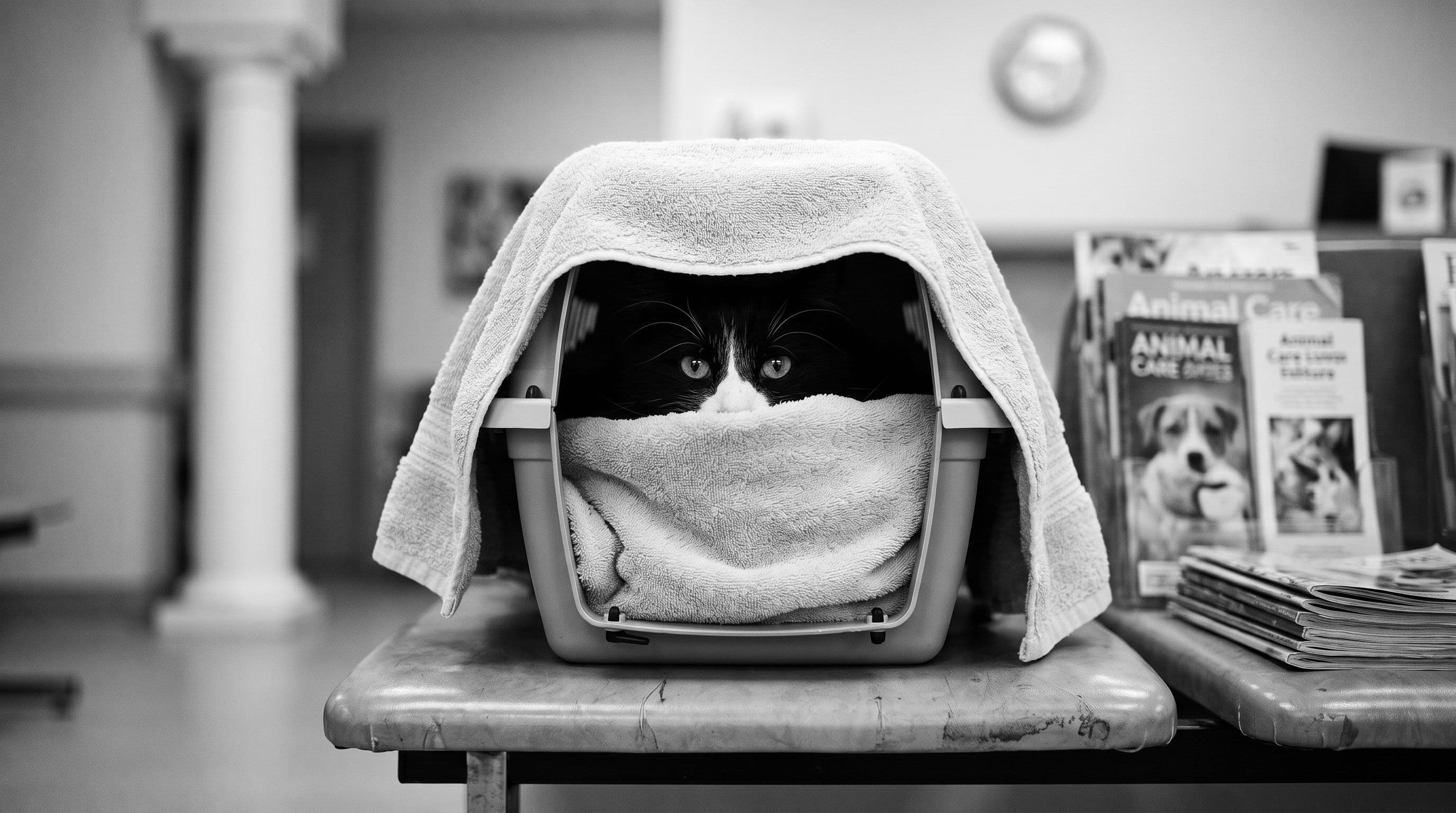
A second towel to drape over the carrier door during transport. Blocking Vino's sightline to the outside world cuts his vocalisation by about half. He goes from a continuous, indignant monologue to intermittent grumbling, which I consider a win.
Treats. Vino has zero food self-regulation, and for once that's an advantage. His willingness to do nearly anything for a treat is the engine that makes carrier training work. I keep a small handful in my pocket on vet day.
The AAHA/AAFP Feline Life Stage Guidelines recommend at minimum annual wellness exams for healthy adult cats. Vino's about six now, so we're still on the annual schedule, but that shifts to every 6 months once he hits roughly seven. The point is: vet visits aren't going away. They're a permanent fixture. Building a calm routine around them isn't optional.
How I Get Vino Into the Carrier and Out the Door
1. Leave the carrier out permanently. Ours sits in the corner of the living room, next to the cat tower. It's been there for about 3 years. The door stays open. The house-scented towel sits inside. Vino sleeps in it roughly twice a week; Zola ignores it completely, which tracks with her general philosophy of ignoring anything Vino finds interesting. The carrier isn't an event. It's furniture.
2. Run 2-minute practice sessions during the week before the appointment. I'll toss a treat into the carrier, let Vino walk in, close the top door for about 10 seconds, then open it again. He gets another treat on the way out. I do this once a day for 5 to 7 days before a scheduled visit. The goal isn't perfection; it's making the sequence of "walk in, door closes, door opens, treat" boring enough that he stops caring.
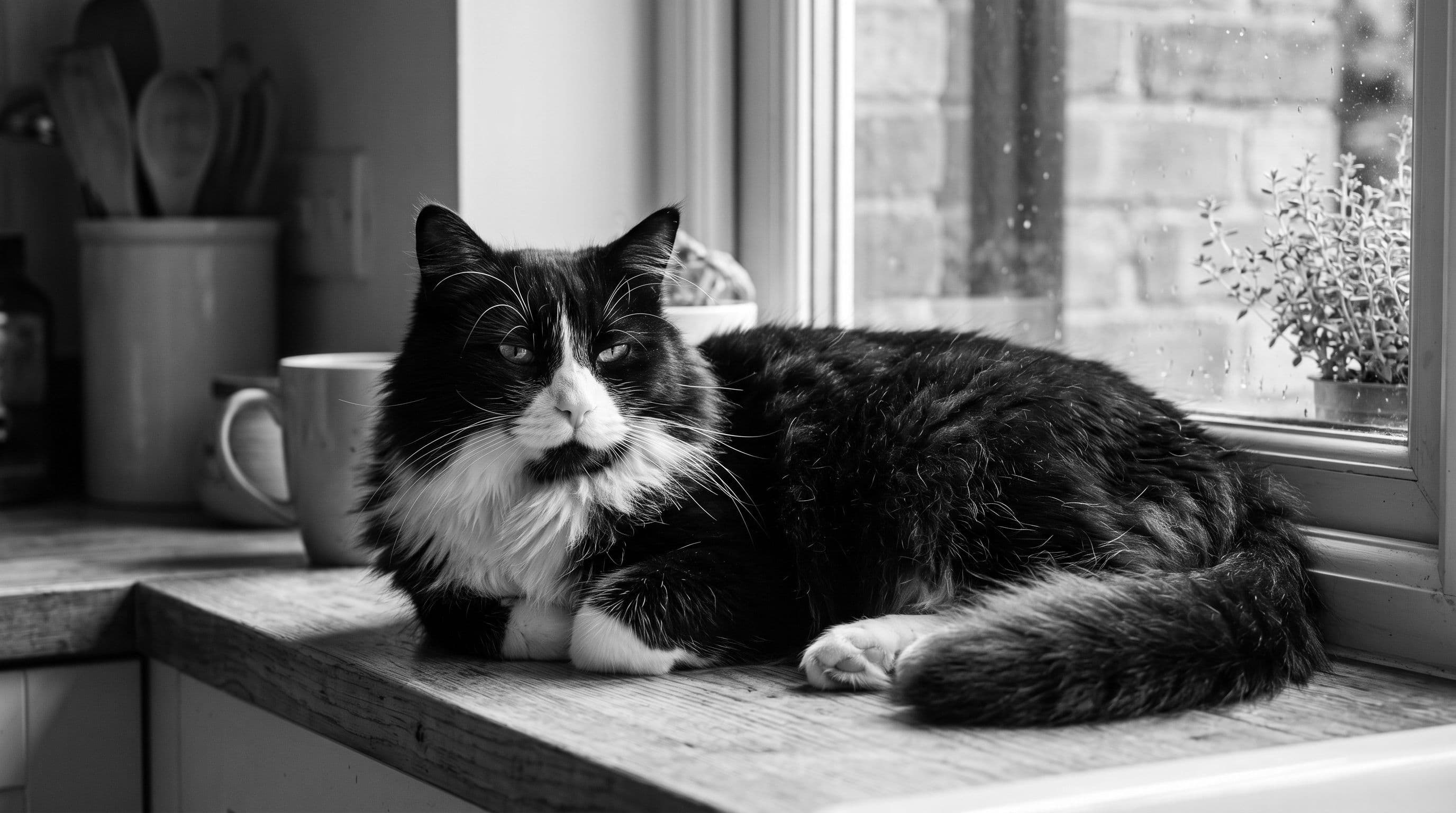
3. Pick the right time of day. Vino's energy peaks in the morning at first light and again in the late afternoon before his outdoor time. I schedule appointments for mid-morning, around 10:00, when he's already eaten breakfast and settled into a sun patch by the kitchen window. A drowsy Vino is a cooperative Vino.
4. Secure the carrier before he suspects anything. On the day itself, I'll sit near him while he's lounging, offer a treat, and scoop him up in one smooth motion. He gets placed into the carrier from above. The whole transfer takes under 8 seconds if I don't hesitate. Hesitation is where things fall apart. He reads it instantly.
5. Cover the carrier and move to the car without stopping. The towel goes over the door. I walk at a normal pace. No pausing in the hallway to grab keys I should've already pocketed; no stopping to put on shoes I should've already laced. Every pause gives him a chance to escalate. From living room to car seat takes about 45 seconds, and I don't break stride.
6. Keep the drive short and the car quiet. Our vet clinic is under 15 minutes from the house. I don't play music. I don't talk to him, because he interprets my voice as an invitation to yell back. Silence, steady driving, towel over the carrier. That's it.
How to Take Cat to Vet Calmly: What Goes Wrong and How to Fix It
Even with the system in place, Vino has found creative ways to derail it.
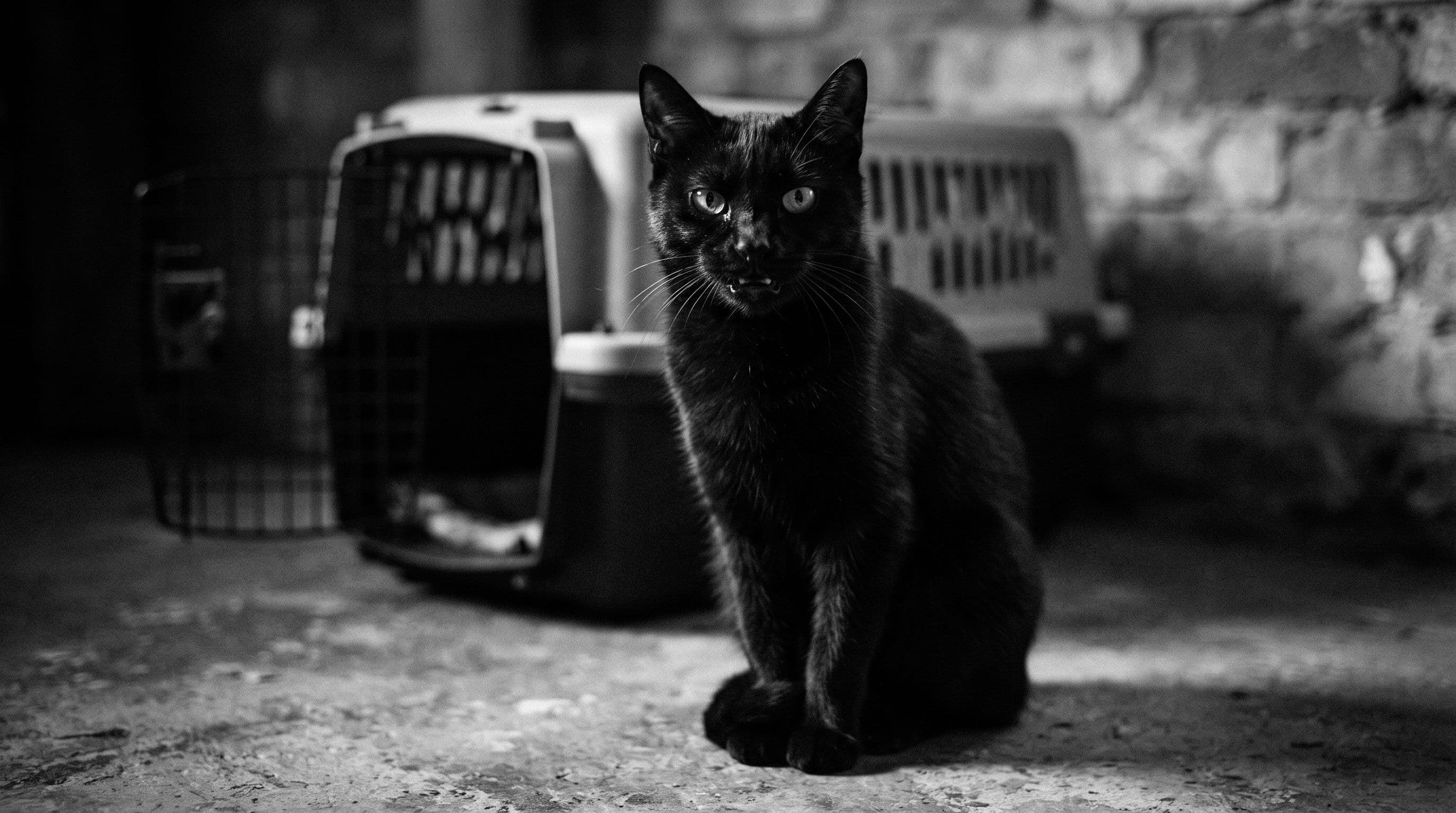
The ambush approach fails every time. Early on, I tried springing the carrier on him with no lead-up. I'd pull it from the closet, chase him through the house, and eventually corner him behind the washing machine in the laundry. He'd growl. He'd drool, which Vino does copiously when stressed or happy; context is everything with this cat. By the time I got him in the carrier, both of us were panting and he'd produced a protest meow so sustained I think the neighbour's Staffy started barking in solidarity through the fence. Leaving the carrier out permanently solved this entirely.
Feeding too close to the appointment causes car sickness. I learned this the hard way. Vino ate a full breakfast, got in the car 20 minutes later, and threw up on the towel before we'd left the driveway. Now I feed him a small portion about 90 minutes before we leave. Enough to keep him settled; not enough to cause problems.
Zola complicates the exit. If Zola's in the room when I'm loading Vino, she'll park herself near the carrier and stare at him with what I can only describe as satisfaction. Vino finds this enraging. He starts vocalising, she starts hissing, and the whole energy in the house shifts. My fiancée now takes Zola into the bedroom before I start the carrier routine. The difference is immediate.
The waiting room is the real test. Everything I do at home is about getting him to the clinic in a manageable state. Once we're in the waiting room, the towel over the carrier stays on, and I keep the carrier on my lap rather than on the floor. Floor-level carriers put cats at eye level with dogs, and Vino doesn't need that provocation. He's already perfected the art of passive aggression with the neighbour's Staffy; I don't need him starting a cold war with a Labrador on a Wednesday morning.
He sulks afterward. This isn't a failure mode so much as a predictable outcome. After every vet visit, Vino returns home, exits the carrier with enormous dignity, and ignores me for roughly 2 hours. He'll sit on the windowsill facing the yard and decline treats. Eventually hunger wins, as it always does with a cat who has zero portion-control instincts, and normal service resumes.