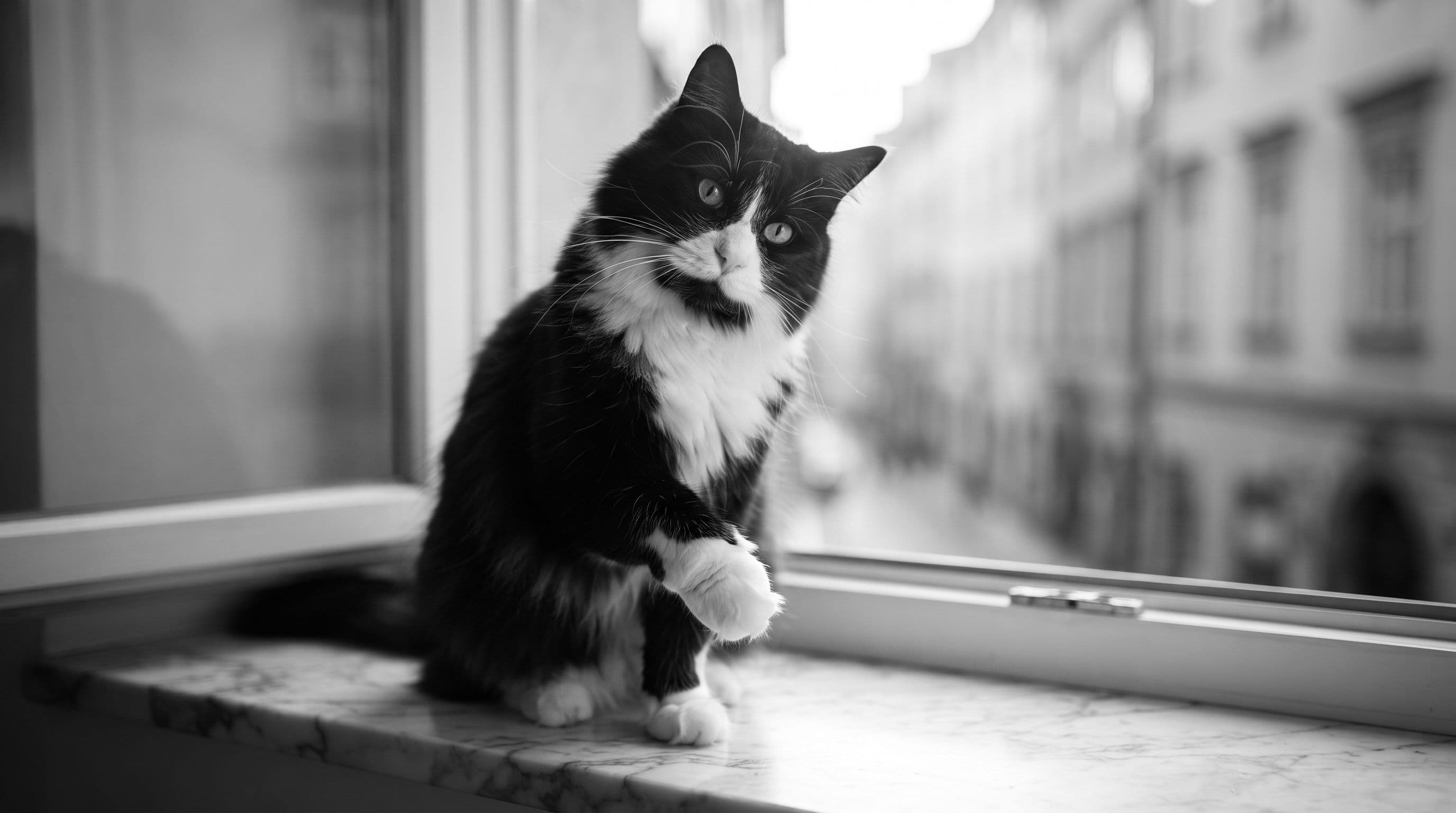
The first thing most people want to know about cat dental surgery cost is whether they can avoid it entirely. Living with Vino has taught me that dental work in cats operates on a different timeline than human dental anxiety suggests. You can't put off a cat's extractions the way you might postpone your own crown. Vino's surgery was already booked, and once his top left canine was hanging loose with blood on the floor, the date was decided for us. The AUD $3,200 I paid wasn't a choice between prevention and surgery. It was the extraction that followed an immune-mediated condition that had been attacking Vino's teeth, and nobody spotted it until a routine check-up caught the red, inflamed gums.
Most online guidance treats dental surgery as a failure of upkeep: brush more, spend less. The American Veterinary Medical Association confirms that regular brushing is the single most effective thing an owner can do between professional cleanings. But that framing implies a linear relationship between effort and outcome that breaks down when the problem is systemic. Vino came from a working winery in northern Tasmania where he'd spent two years catching mice. None of that had anything to do with what came next. The problem started inside him, not in anything he chewed. No amount of brushing would have stopped his immune system from attacking his teeth.
The Misleading Promise of Prevention
The conventional wisdom is simple: preventive care saves money, and early intervention prevents the steep costs of surgery. That holds for tartar buildup and routine cleanings. What it doesn't account for are the conditions that present as dental problems but originate elsewhere in the body. Vino's immune-mediated condition showed itself as gums turned an alarming red. By then, extraction was the treatment. The sixteen teeth came out because his own biology had turned against his mouth, and that isn't something a toothbrush fixes.
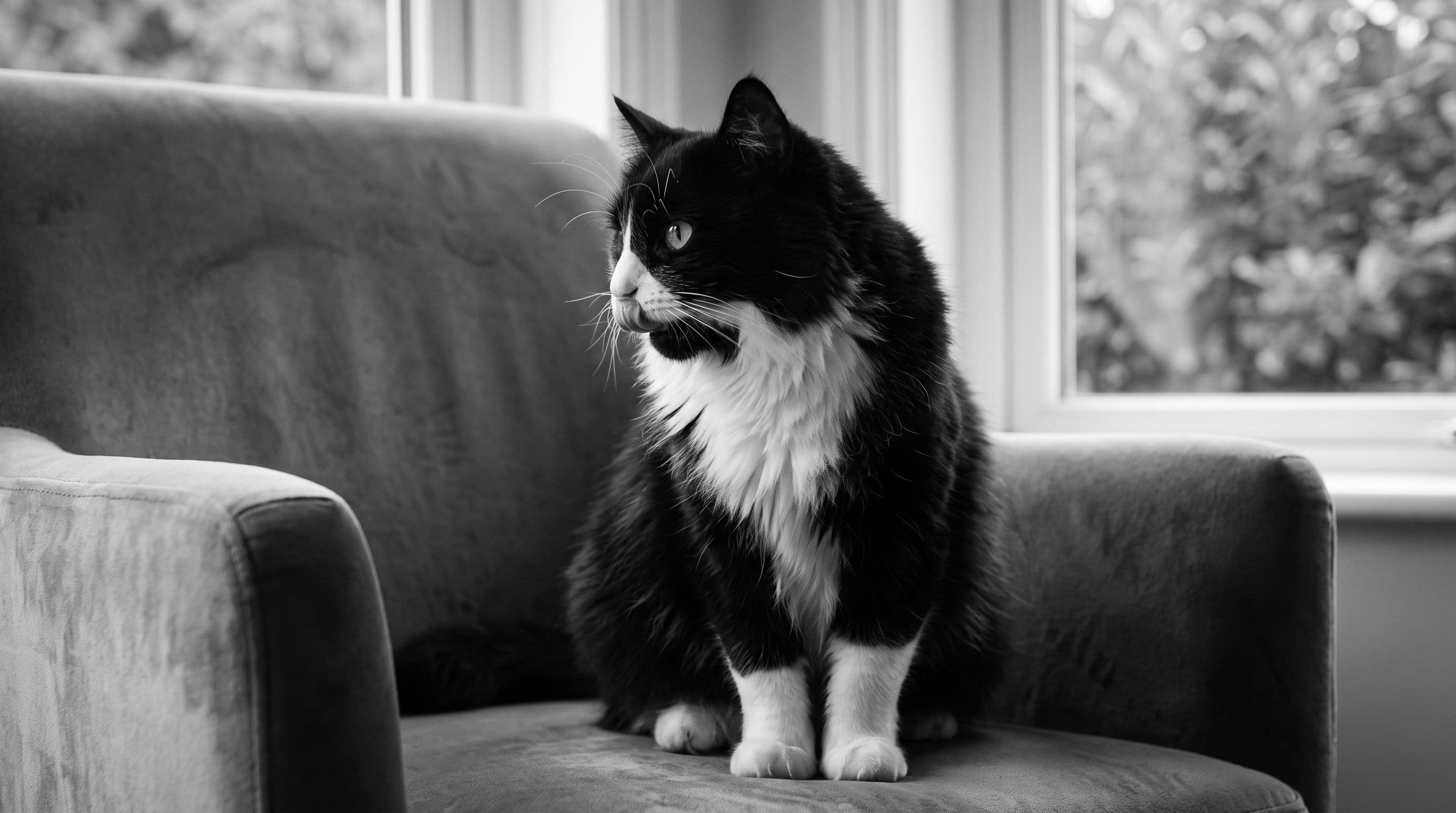
The cost figures that circulate online are usually estimates, ranges built from someone else's cat. What they rarely say is whether they include diagnostics, anaesthetic, medication, or follow-up. I can't break mine down line by line either. What I have is one number: $3,200 to take sixteen teeth, mostly from the top, out of a 6 kg tuxedo cat whose surgery had already been bumped once by the vet. The vet who caught the condition at his annual check-up gave it a name I won't attempt here. I'm not qualified, and the paperwork isn't in front of me.
Why the True Cost Isn't on the Invoice
The thing that drives real dental expense isn't the surgery itself. It's the chain of decisions around it. Vino's surgery was already booked, and already delayed, when he got spooked while I was measuring up the couch for the new house. He jumped off the old couch, smashed his face on the floor, and left his top left canine hanging loose. The timing forced the issue: if he was going under anaesthetic anyway for that tooth, they should pull as many as they could while he was under. They took sixteen, mostly from the top. Whether catching it earlier would have cost less is a question I can't answer for a cat whose own immune system was the problem.
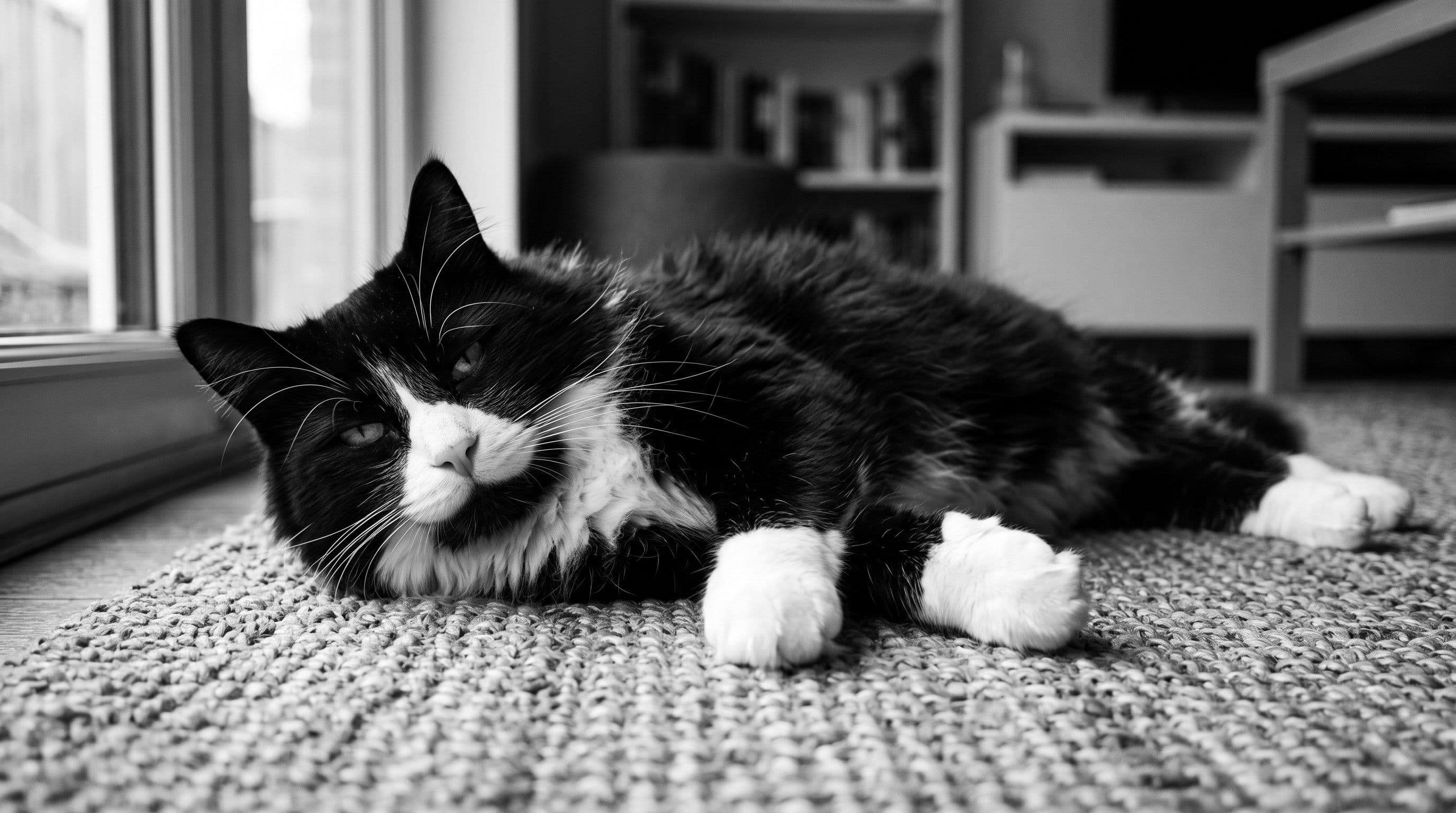
What the figure doesn't capture is the wake of small adjustments. His drooling, once prodigious, has reduced but not stopped. His bottom canines now poke into his top lip, causing sores, and he's going back to the vet to have them looked at. His lip catches, and he licks his mouth constantly while he adjusts to the new architecture of his jaw. These aren't line items. They're the ongoing cost of a mouth that no longer works the way it was designed to, and they're the reason I mention the $3,200 as a fixed point in time instead of a total.
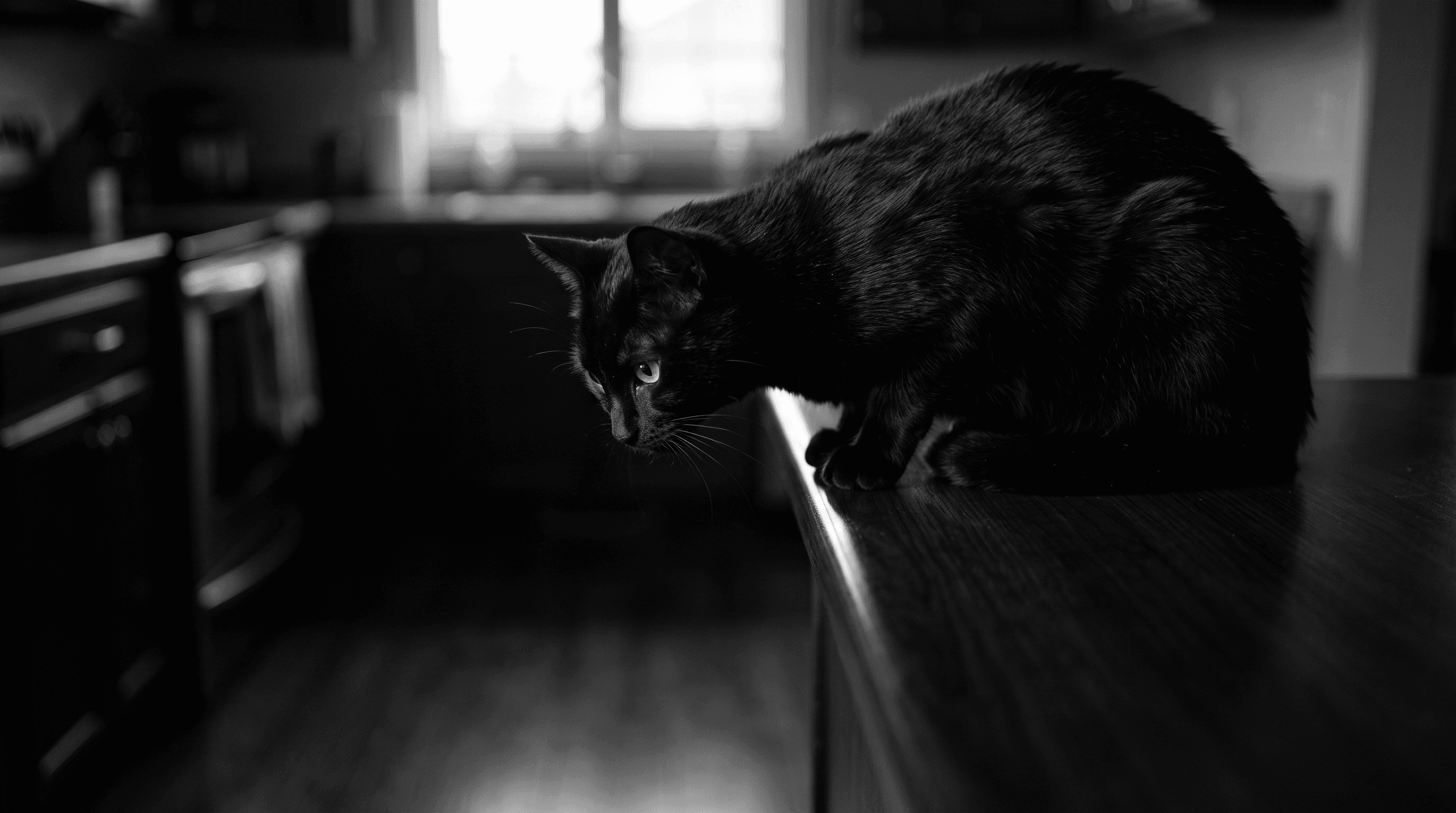
The other unmeasured cost is Zola's. Our black cat arrived two months after Vino, in June 2022, and for years she was the quiet one. Since our move in mid-to-late August 2026, she's become the household's dawn chaos agent, up extremely early and tearing around a much bigger house. One night she got into the bikkie container and ripped into a big bag. The bikkies had been paused while Vino recovered. They're back now, and a cat missing most of his top teeth eats them perfectly well.
Vino's Case: The Surgery That Was and Wasn't Preventable
Vino is not a testimonial for dental hygiene. He's a 6 kg tuxedo cat who arrived in April 2022 after two years of catching mice in a winery barn. His meowing, his insistence on inserting himself into whatever I'm doing, his habit of lying on my chest every single night while Zola claims my leg: these are durable facts. They don't change when his teeth do.
What changed in late August 2026 was specific and limited. He was groggy for the first few days on heavy medication. Then he was himself again, the same cat who narrates his whereabouts with constant vocalisation, the same animal who would rather make biscuits on the bed than acknowledge that anything in his environment has shifted. His breath, previously offensive, became neutral. His grooming routine didn't change; his coat still forms knots under his arms and chin that require the same metal undercoat brush every few days. The only visible difference is that lip catch, the constant licking as he learns to manage a mouth with fewer teeth than evolution intended.
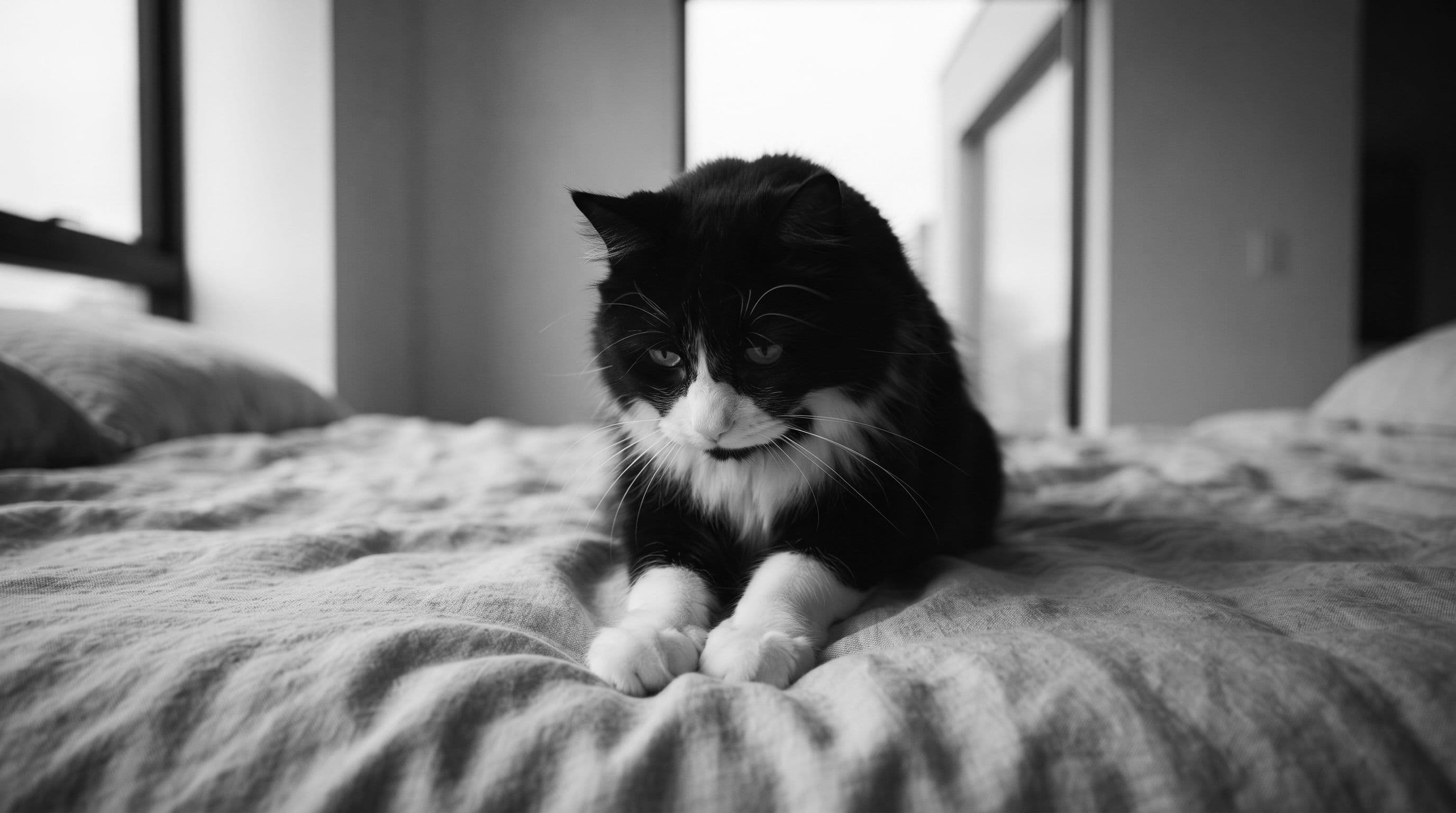
The sixteen extractions aren't a before-and-after story. They're a medical event with a medical cost, and the $3,200 sits in my records as a fixed point against which no monthly budget or annual estimate can be honestly compared. I've had cats essentially my whole life, and I've never had one who needed this. Vino is not representative. He's singular, as every cat is, and his dental history belongs to him alone.
Frequently Asked
The Fixed Figure in a Shifting Landscape
I don't have an annual cost-of-cat-ownership figure to offer. I don't track monthly spending on food, toys, or veterinary care with the precision that would allow me to project a lifetime total. What I have is this: $3,200 for sixteen teeth, extracted in late August 2026 from a tuxedo cat who continues to demand attention, make biscuits, and narrate his existence at full volume despite the altered landscape of his mouth. The cost isn't a lesson. It's simply what happened, what I paid, and what any future calculation of Vino's care will have to include. The one thing I would pass on is the annual check-up. That's where his red gums were spotted, long before a couch forced the date. If your cat has been through extractions, I'd like to hear how they took to dry food afterwards, because Vino's return to the bikkies still surprises me.