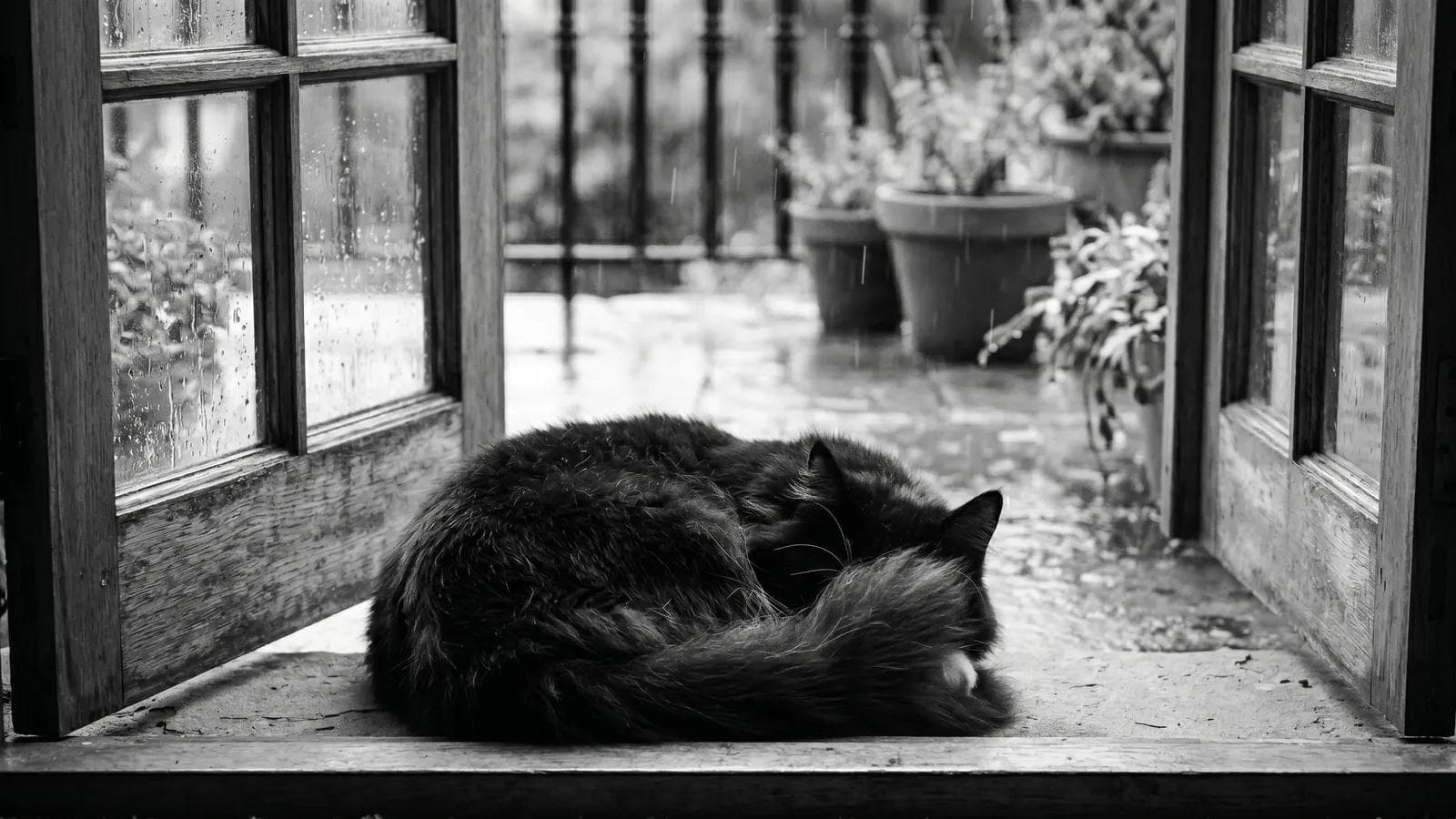
There is a particular fantasy about tuxedo cats. Something about the markings, the permanent formal wear, the air of self-possession: people expect a cat who conducts himself with quiet dignity and requires very little from them. Years of documented evidence from my household suggests this expectation deserves some revision.
This is not a discouraging account. Vino, formally known as Viniferous "The Mischievous" Messiah, is by most reasonable assessments a magnificent animal. He is also loud, preoccupied with food at all hours, constitutionally incapable of watching anyone do anything without inserting himself into it, and prone to disappearing into the bush on his own schedule. What follows is an honest record of what tuxedo cat ownership actually involves, assembled from the evidence at hand.
The Attention Requirement Is Not Optional
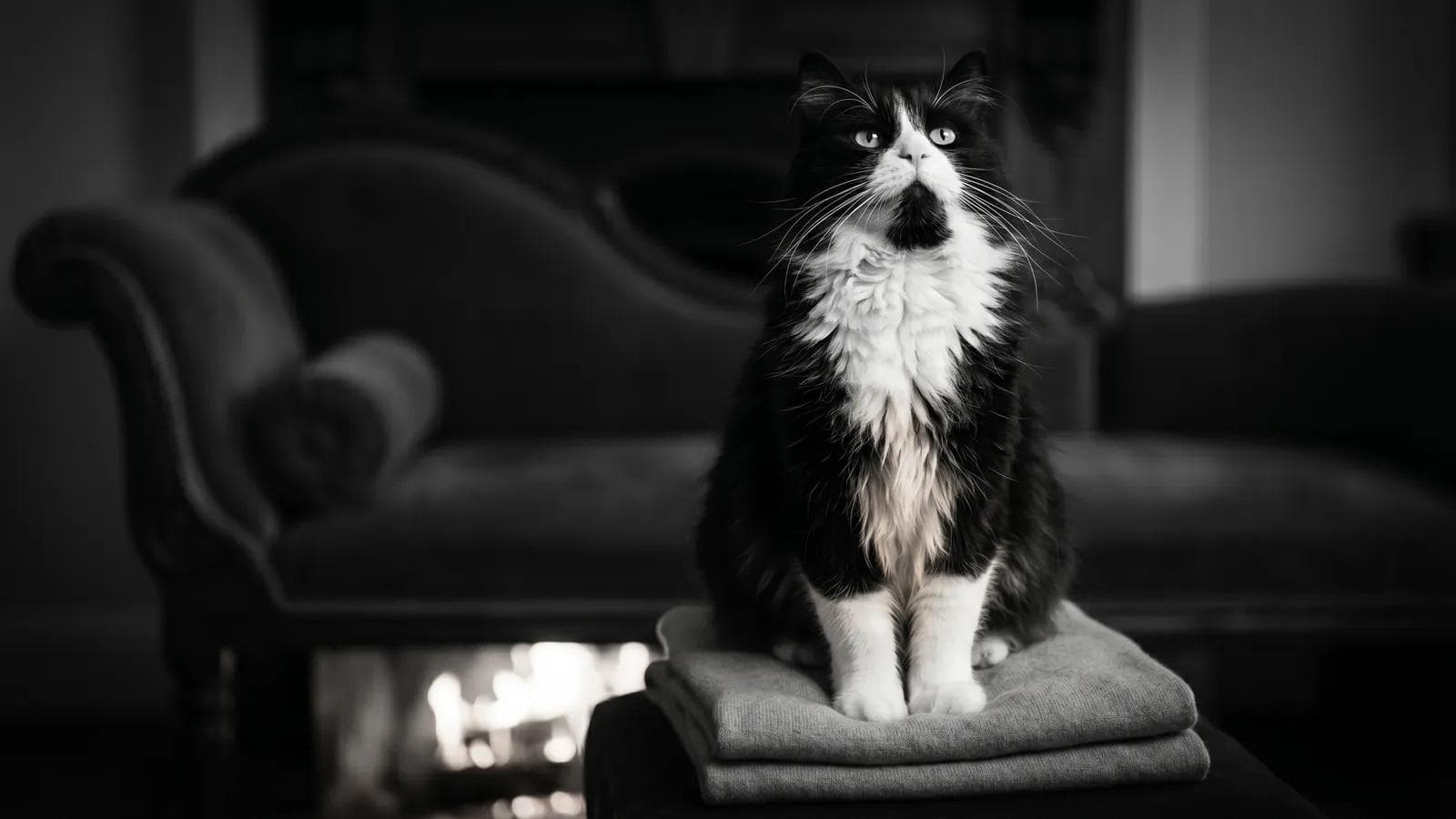
The first thing prospective owners should understand is that a tuxedo cat's affection is not a mood: it's a practice, and it runs continuously.
Vino came from a biodynamic winery in northern Tasmania, where his primary occupation in the barn was ensuring no one could complete a task without first acknowledging him. The method: walk between the legs of whoever was working, land on whatever they were trying to reach, and sustain the performance until satisfactory pats were delivered. This is not a juvenile behaviour he grew out of. It transferred perfectly to domestic life, where it operates across every room in the house.
Outside, the dynamic is even more visible. When we're in the yard, Vino follows us. Not discretely, not from a distance. He follows us at close range, meowing loudly, positioning himself underfoot, and halting when we halt. The meowing is specific in tone: not distress, not hunger exactly, but a sustained demand for acknowledgement. A pat is received. He allows it. The walk continues. He follows again.
This is what tuxedo cats require that the fantasy version doesn't prepare you for: they need active attention, on their timeline, integrated into your daily movement through the house and yard. The following is not incidental to Vino's personality. It is the primary expression of it.
People who work from home should note that "the desk" does not constitute neutral territory. Vino will sit on it. He will sit on whatever is on it. He will position himself between the keyboard and the screen with the calm assurance of someone who believes this is a reasonable place to be, which he does.
If you're looking for a cat who will appreciate your company from across the room, a tuxedo cat will find this arrangement unsatisfying. Possibly offensive.
The Food Situation Is Structural, Not Incidental
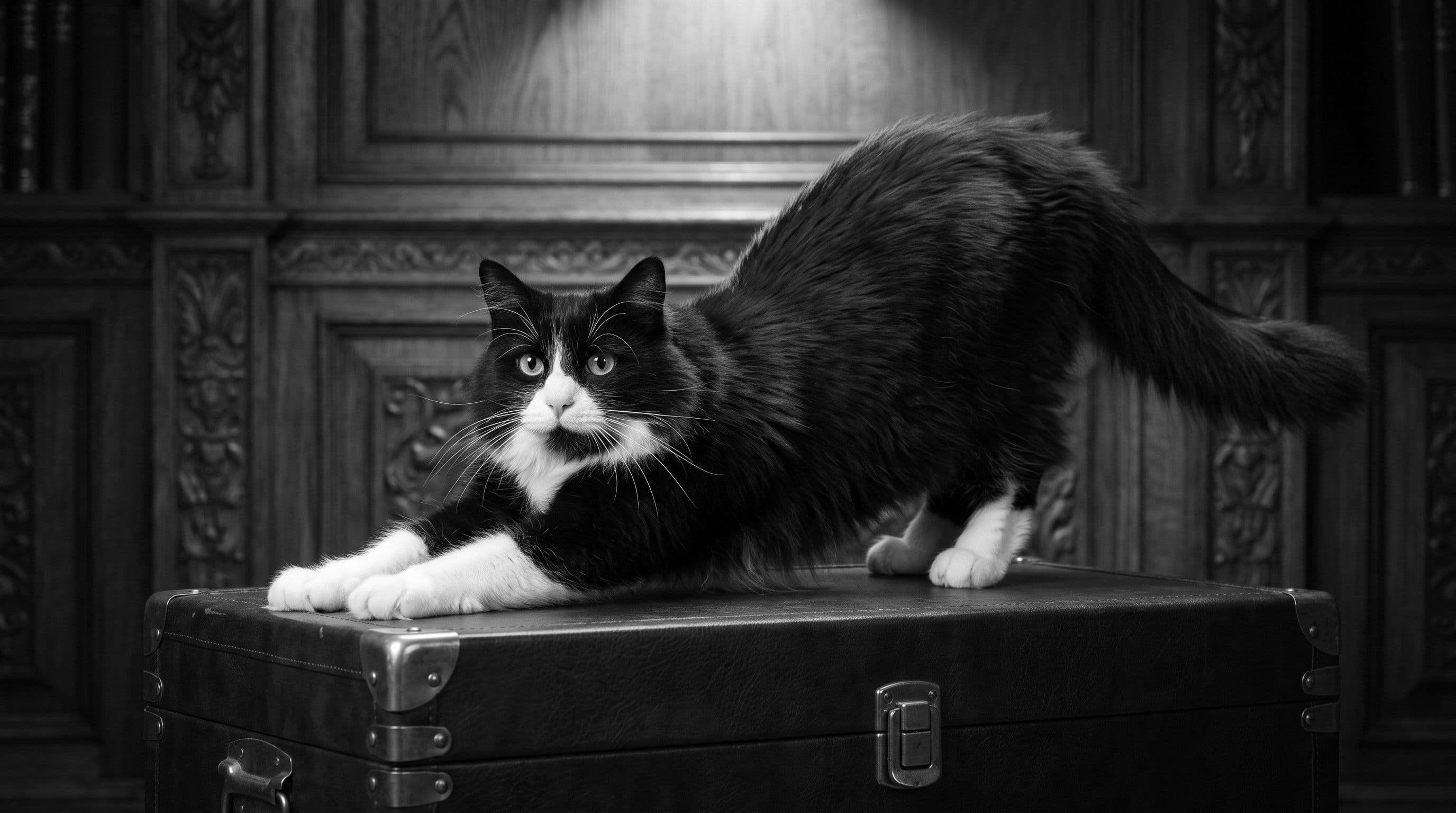
Vino is always eating or asking for more food. This is not a phase, not a stress response, not a habit that settled down after the first year. It is a fixed feature of his operating system.
Meals are attended to promptly. The period between meals is characterised by periodic inquiries about when the next meal might reasonably be expected. Treats are received with the enthusiasm of someone who has been waiting specifically for them, regardless of how recently the previous treats were administered. The kitchen is monitored. The sound of a bag being opened anywhere in the house is processed as a potential food event and investigated accordingly.
The water intake is equally notable. Vino drinks a considerable amount of water, more than might be expected from an animal his size. This is worth mentioning not as a concern but as a practical consideration: a full water bowl is not optional infrastructure, and a bowl that's been sitting for a while will be assessed and found wanting. Fresh water, kept available, is part of the basic arrangement.
For prospective owners: budgeting for quality food and treats is not indulgence. It is alignment with the actual requirements of the cat. A tuxedo cat who's asked to operate on minimal food provision will not do so quietly. Vino, in any case, will not.
The fur contributes to this picture as well. Vino's coat is medium-long, noticeably more substantial than a shorthair's, and he maintains it extensively himself. The self-grooming is frequent and thorough. The side effect is furballs: a reliable, recurring feature of life with a medium-long-coated cat that no aspirational blog post about feline elegance tends to mention up front. It's mentioned here.
The Outdoor Question, Including the Rooster
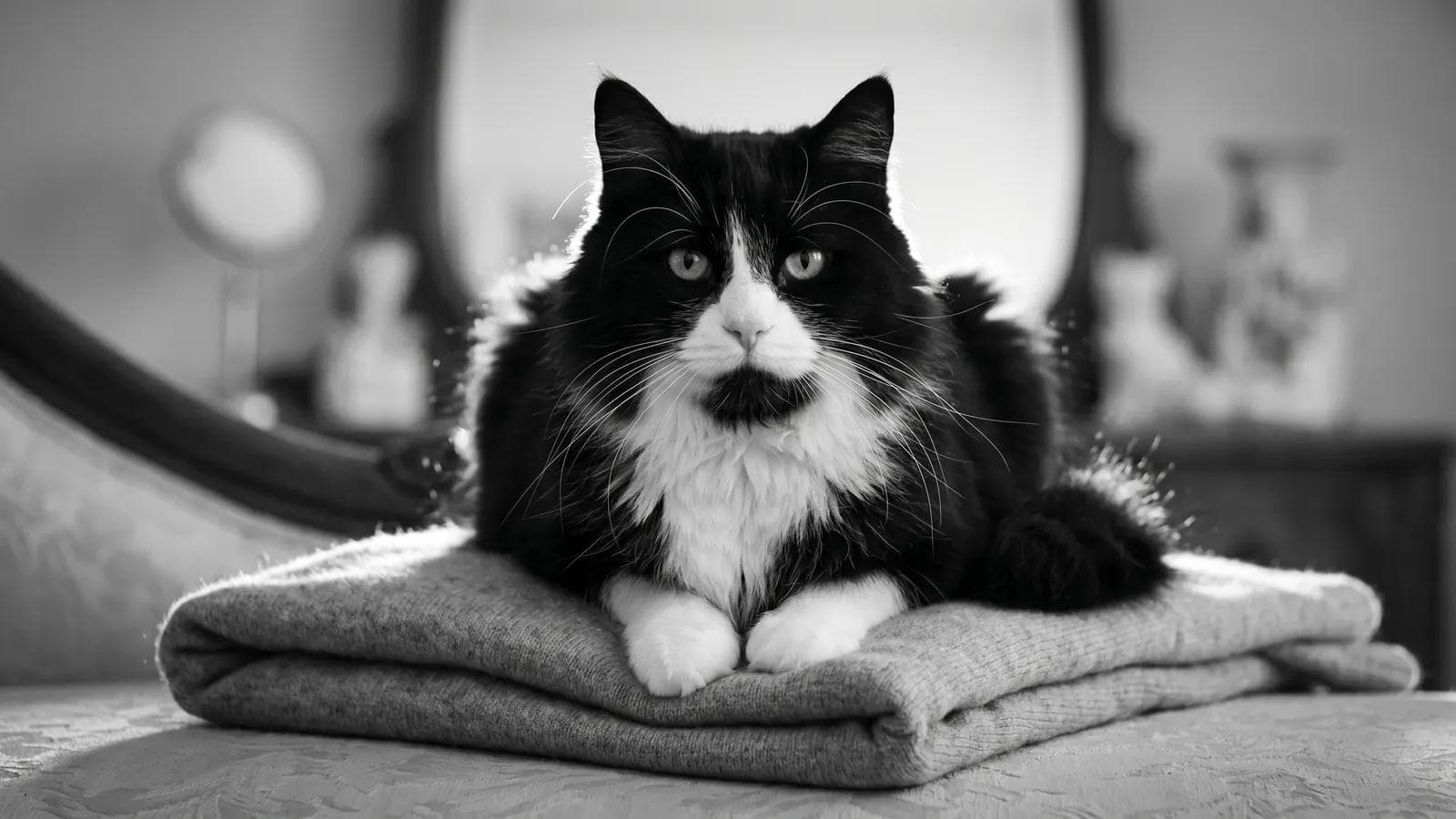
Tuxedo cats are not indoor cats by disposition. Vino goes outside every afternoon before dinner, and sometimes in the mornings when the schedule permits. This is not a privilege he views as optional. Missing outdoor time produces consequences (more on those in a moment).
Outside, Vino does a variety of things. He wanders and explores. He sits and looks majestic, which takes up more of his outdoor time than one might expect. He chirps at wild birds. He follows us around the yard. And, on his own schedule and without prior notice, he occasionally cleared the fence at the old house and went into the bush.
The fence-jumping is not dramatic. Vino doesn't announce it. One moment he's in the yard; the next he isn't. He always returns. Our response has evolved into a working knowledge of his most likely routes and a patient relationship with the concept of "he'll be back." Owners considering outdoor access for their tuxedo cat should factor this in: it requires genuine knowledge of where the cat goes and a temperament suited to waiting. Vino's returns have been reliable. The timing is his.
The other outdoor variable is the poultry situation. We keep chickens, four of them, plus a rooster. Vino is broadly relaxed around the chickens. He'll sit near them. He occasionally approaches them with the same playful energy he'd direct at another cat, which the chickens do not receive well, but there's no real conflict.
The rooster was different. The rooster can be aggressive, and Vino, despite his considerable confidence in most areas of life, finds this particular opponent worth approaching carefully. His solution is elegant: he finds elevated ground near the flock, somewhere the rooster can't easily reach, and operates from there. When the rooster was in a reasonable mood, Vino would sit peacefully among the birds. When he isn't, Vino watches from above and waits. It is, in its way, a masterclass in reading an environment and adapting to it rather than escalating unnecessarily.
Not every tuxedo cat will have a rooster in the picture. But the broader lesson holds: these cats are curious about outdoor environments and confident in them, but they are also capable of measured assessment when the situation calls for it. They're not reckless. They're just independent.
The Fur, and What It Actually Involves
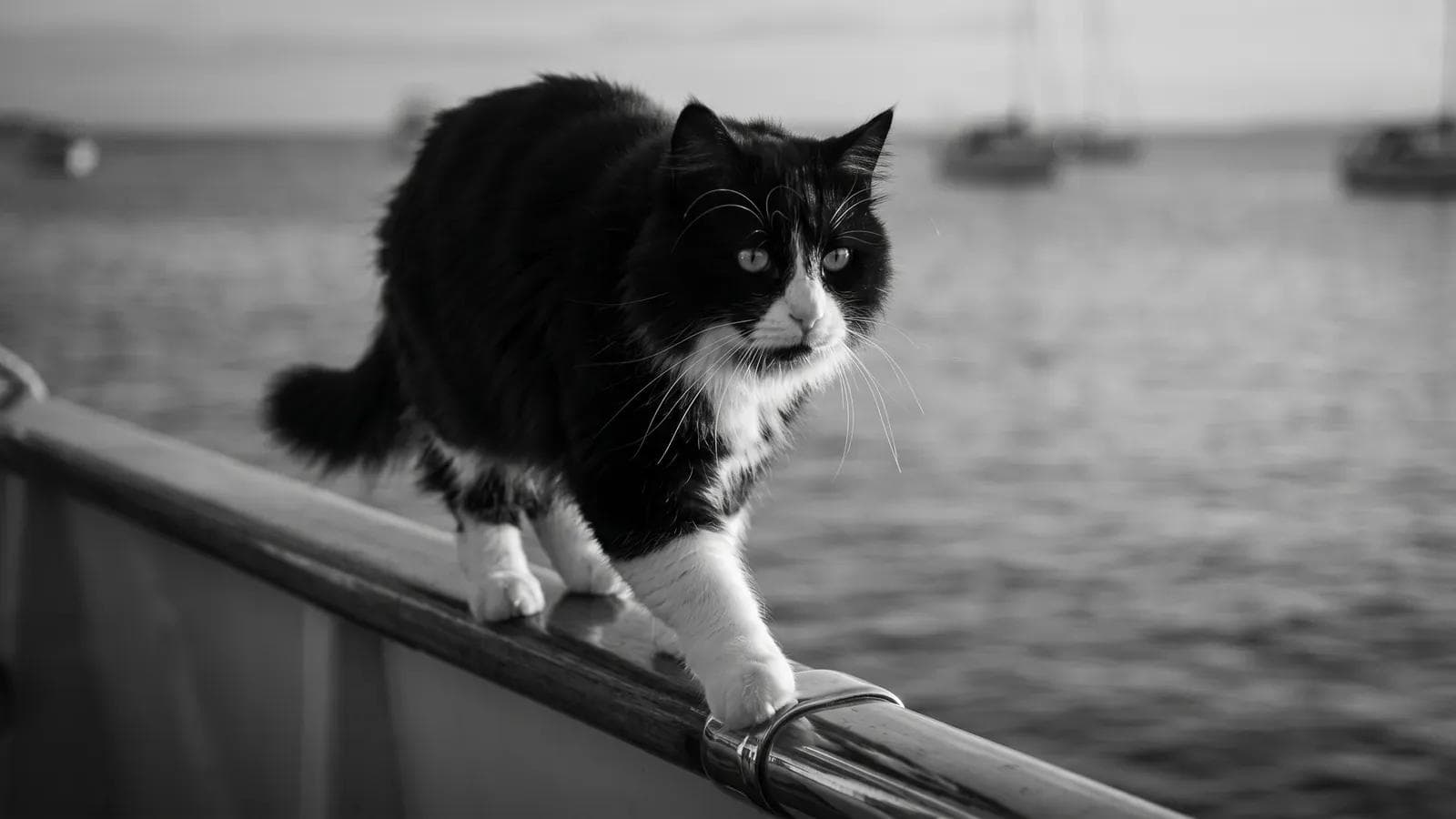
The tuxedo markings that make this breed so immediately striking come attached to a coat that requires attention. Vino's fur is medium-long, particularly full around his chest and mane, and he grooms it extensively. He loves being brushed, specifically around the chin and chest area, and will position himself to indicate this preference with some authority.
Regular brushing is not optional with a coat this length. It reduces shedding in the household, reduces the furball situation, and is, by Vino's assessment, a service we are expected to provide. He'll sit for it. He'll drool slightly during it, because he drools during most pleasant experiences, and this is simply part of the arrangement.
The drooling is worth flagging separately because it surprises people. Vino drools when he's happy. During cuddles, during brushing, when he's settled in someone's lap and the world has temporarily organised itself to his satisfaction: there will be drool. It's not a health concern. It's an expression of contentment that his distinguished exterior does not entirely prepare visitors for.
For ownership purposes: a good brush used regularly is not an optional luxury item. It's maintenance infrastructure for a coat that will otherwise demonstrate its presence on every soft surface in the house.
The Communication Style Is Specific, Sustained, and Will Not Be Ignored
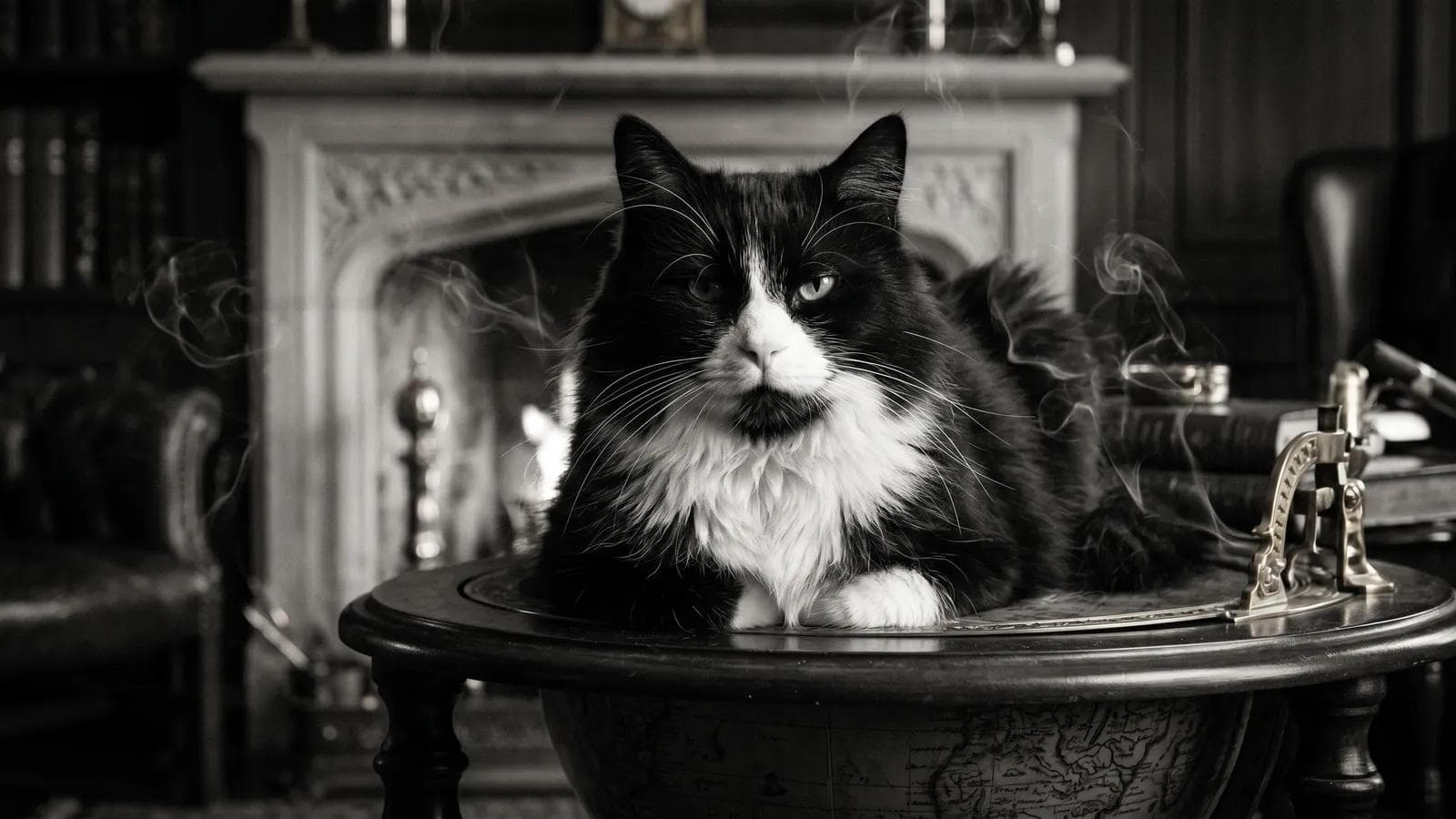
Vino is a loud cat. This is not hyperbole. He walks through the house meowing. He meows at the door to be let outside. He meows while following us around the yard. He meows when his meal is being prepared to indicate that preparation is taking too long. These are various meows with various tones, and they can be learned and decoded over time.
The one to prepare for specifically is the protest meow.
When something hasn't gone his way, most commonly when he hasn't been let outside on what he considers to be a reasonable schedule, Vino produces a single sustained meow. Same tone. Same volume. Five seconds or longer. It is not a question. It is not an expression of uncertainty about the situation. It is a formal statement of grievance, delivered at a consistent register, for as long as he deems necessary.
There's no escalation pattern to it. It doesn't get louder. It doesn't get higher. It simply continues, with the patience of someone who has all day and has correctly identified that we do not.
People who live with Vino learn to hear the difference between an ordinary meow and the protest meow. The protest meow is delivered when the schedule has slipped. It's delivered when the door has been closed longer than expected. It's delivered when the food bowl has been empty for a period that Vino has unilaterally determined is unreasonable. It's a communication system, and it works because it cannot be tuned out.
Prospective tuxedo cat owners who live in apartments or shared walls should factor this in as a practical consideration. Vino is not unusual among his kind. The communication is persistent, specific, and not designed to give up first.
Frequently Asked Questions
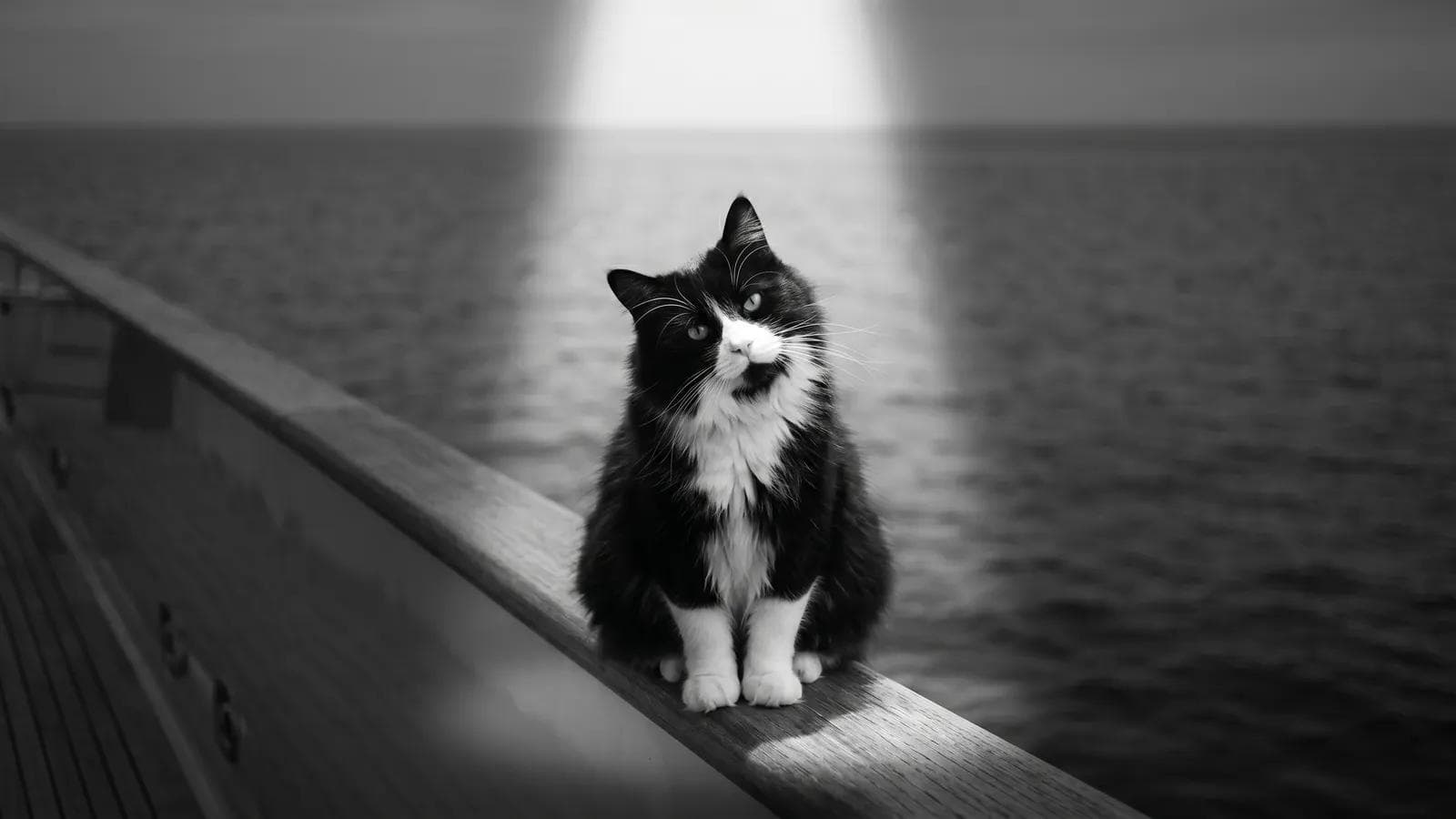
Do tuxedo cats need a lot of attention?
Yes. Tuxedo cats are social animals who integrate themselves into their household's daily activity rather than observe it from a distance. In practice this means following people around the house, positioning themselves underfoot, and communicating clearly when they feel they haven't received adequate acknowledgement. Vino, who came from a working winery and had his approach well-established before I brought him home, demonstrates this requirement in essentially every room and most outdoor spaces. It's not a demand that diminishes with age.
Can tuxedo cats go outside?
Outdoor access has been a clear net positive for Vino. At the old house Vino went out daily, explored freely, and was known to clear the fence and spend time in the bush before returning on his own schedule. The outdoor time is not optional from his perspective: the protest meow on days when outdoor access is delayed is a reliable indicator of how strongly he feels about this. Supervised outdoor time, a secure garden, or a cat-proofed enclosure are all reasonable approaches. Complete indoor confinement without other significant enrichment will be resisted.
How long do tuxedo cats live?
Tuxedo refers to the bicolour coat pattern rather than a separate breed, so lifespan varies depending on the underlying genetics and health of the specific cat. Most domestic cats with good care live 12–18 years. Vino is approximately six years old and operating at full capacity, which my eardrums can confirm.
Do tuxedo cats get along with other pets?
It depends on the animal and the cat's approach. Vino coexists reasonably well with chickens, manages the rooster situation through tactical elevation, and maintains a relationship with our second cat, Zola, that involves genuine affection expressed primarily through hissing and the occasional peaceful windowsill arrangement. Introductions to other animals take time. Vino's confidence in his own position in the household hierarchy is absolute, which doesn't make him aggressive but does mean he won't be hurried into tolerance.
Are tuxedo cats high maintenance?
Higher than their composed exterior suggests, lower than some breeds. The medium-long coat requires regular brushing. The food preoccupation requires a consistent feeding structure. The attention requirement means you genuinely need to engage with the cat as a participant in daily life rather than a decorative feature. Owners who match their activity level to the cat's expectations will find this entirely manageable. Owners who expected the dignified self-sufficiency the markings imply may need a period of recalibration.
Do tuxedo cats drool?
Some do. Vino does. Happily, enthusiastically, and without apparent embarrassment. It is strongly associated with contentment: brushing sessions, lap-sitting, and extended cuddles all produce this result. First-time visitors to our home who offer a pat and receive a slightly damp hand in return are not being given a warning. It is, in Vino's economy, a compliment.
An Honest Final Assessment
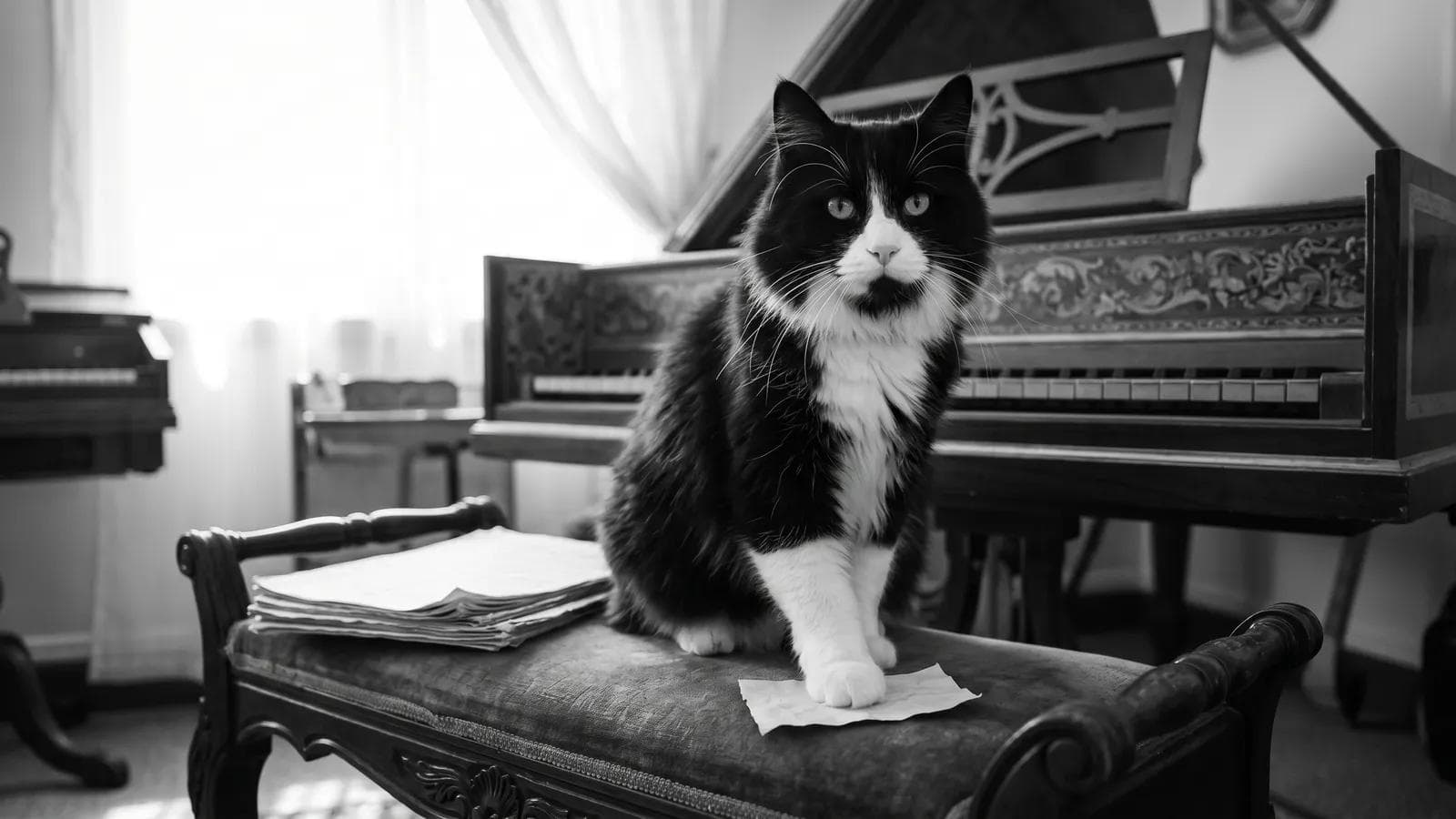
Viniferous "The Mischievous" Messiah is not a low-maintenance companion. He is loud. He is preoccupied with food. He will follow you. He will meow at you when you get the schedule wrong, with the patient certainty of someone who knows the schedule better than you do and isn't planning to let it go.
He will also, given the right elevation and the right mood, sit peacefully in a yard full of chickens, watching a rooster he has correctly assessed as not worth provoking. He'll come back from the bush on his own schedule, every time. He'll sit in your lap with the settled weight of a creature who has determined this is where he's meant to be.
What tuxedo cats actually require is not complicated, but it is specific: consistent outdoor access, fresh food and water managed with some seriousness, regular grooming for a coat that earns the attention, and daily acknowledgement from the humans around them. Not occasional acknowledgement. Daily, active, present-in-the-same-room acknowledgement.
Owners who can offer that will find the arrangement works well. I've made it work for years. The drool, the protest meows, the fence-jumping at the old house, the rooster diplomacy: all of it is part of what makes this specific animal worth knowing. The fantasy version of a tuxedo cat is decorative and self-contained. The real one follows you across the yard demanding to know what you're doing.
The real one is considerably better.